
Five product groups get circularity targets to 2030
Five product groups receive circularity targets on a timeline towards 2030
Five product groups get circularity targets to 2030 Read More »
Five product groups receive circularity targets on a timeline towards 2030
Five product groups get circularity targets to 2030 Read More »
Three transition pathways converge at Port of Zwolle, linked by logistics
Three transition pathways with logistics as the connecting thread Read More »
Timber is among Groningen’s most promising streams at about €850 potential per tonne
Timber yields €850 potential per tonne, if carefully demolished Read More »
Real impact comes from greening the whole food chain with strong partners
Greening the whole food chain pays off through strong partners Read More »
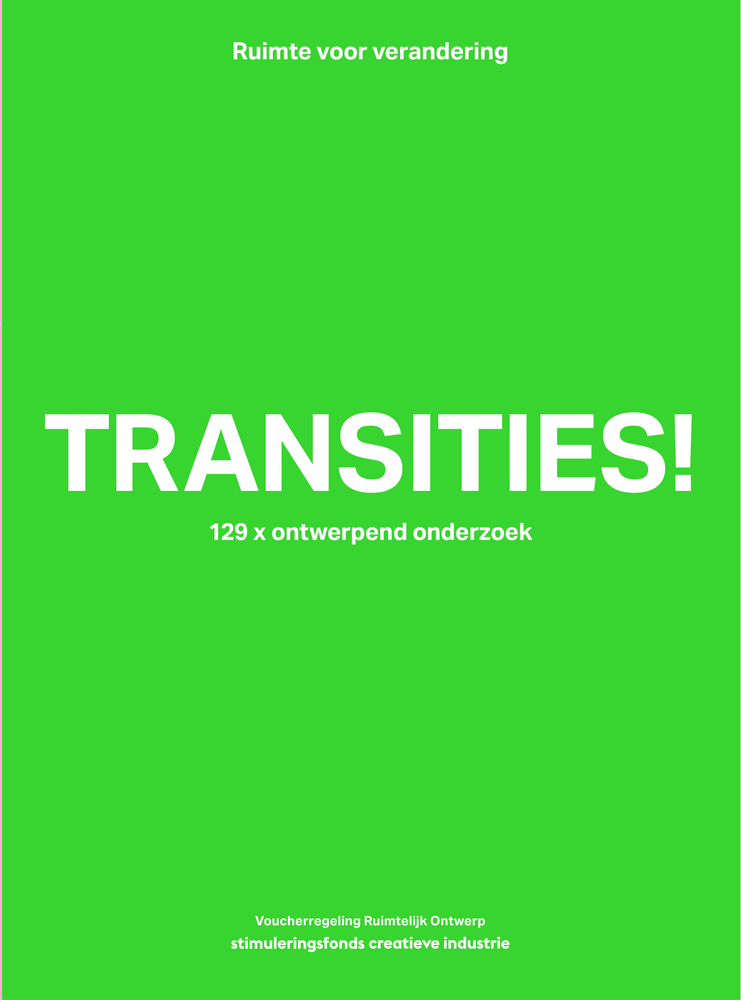
Park om de Hoek 2.0 is featured in Transitions!, the Stimuleringsfonds Creative Industries publication on the Spatial Design Voucher Scheme.
New Economy in Transitions! — Spatial Design Voucher Scheme Read More »
With its central location, Utrecht holds a key position as the country’s transport and mobility centre.
Three sources dominate Utrecht’s industrial emissions: the building materials industry (0.13 Mton), landfilling (0.11 Mton) and the food industry (0.11 Mton).
Landfilling accounts for 110 kton of emissions, mostly methane Read More »
According to 2018 research by ING bank, the province of Utrecht has the cleanest economy in the country.
Utrecht has the cleanest economy in the Netherlands Read More »
Peat consists of 50% carbon and is, after the ocean, the second-largest store of natural carbon.
Peat is 50% carbon and the world’s second-largest natural carbon store Read More »
The emissions of the Utrecht built environment (0.918 Mton in the 2018 insulation baseline) consist mainly of gas use by central-heating boilers.
The biggest housing gain lies in gas use by central-heating boilers Read More »