
From measurement to implementation
New Economy services cover the full route from impact measurement to regenerative implementation. The service portfolio combines CO2 footprinting, eco-cost analysis, life-cycle assessment (LCA), compliance scans, social cost-benefit analysis (MKBA), regenerative design, circular business models and regional programme development. Each service can stand alone or form part of a longer trajectory from evidence to strategy, design and execution.
Services by phase and audience: measurement, substantiation, strategy, design and practical implementation.
Business impact and strategy
CO2 footprint and eco-costs as a measurable starting point.
Open page →Insight into CSRD, reporting duties and the first compliance questions.
Open page →Impact data translated into targets, priorities and concrete actions.
Open page →A social cost-benefit analysis (MKBA) that substantiates broader value.
Open page →Preventing social or ecological damage before it becomes more expensive to repair.
Open page →A strategy for continued functioning under shocks, scarcity and transition pressure.
Open page →Product footprint and design
Environmental impact per life-cycle stage, including eco-costs and CO2 footprint.
Open page →Products and concepts that add restorative and social value.
Open page →Market routes for regenerative propositions, product-service systems and circular business models.
Open page →Regional transition and programmes
Climate opportunities, carbon sequestration and implementation routes for areas.
Open page →Transition opportunities for areas, organisations and value chains.
Open page →Social cost-benefit analysis (MKBA) for regional policy and investment choices.
Open page →From vision to an executable programme with roles, steps and decision logic.
Open page →Calculation tool for circular potential and eco-costs of resources and materials.
Open page →Modular services with a shared evidence base
A service can start with a compact scan, a data-heavy analysis or a strategic workshop. The working logic remains consistent: define the question, measure the relevant baseline, identify the largest effects, compare routes, and translate the outcome into decisions and implementation steps.
Applied work and published insights
Recent work
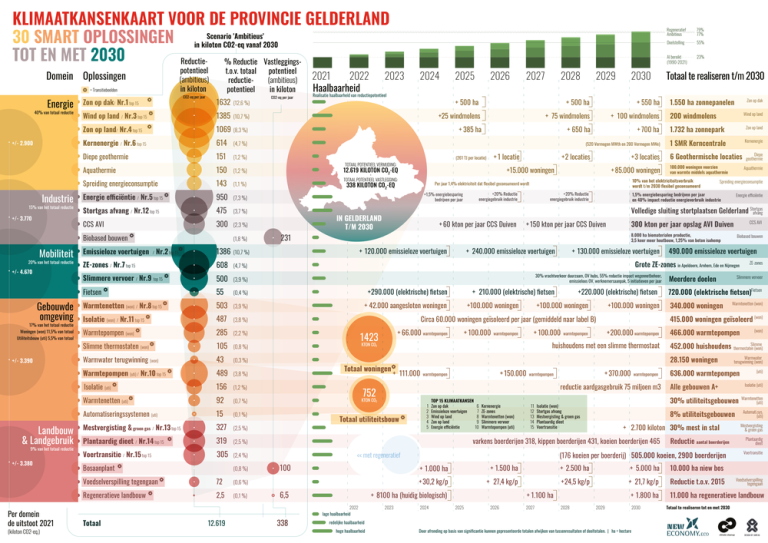
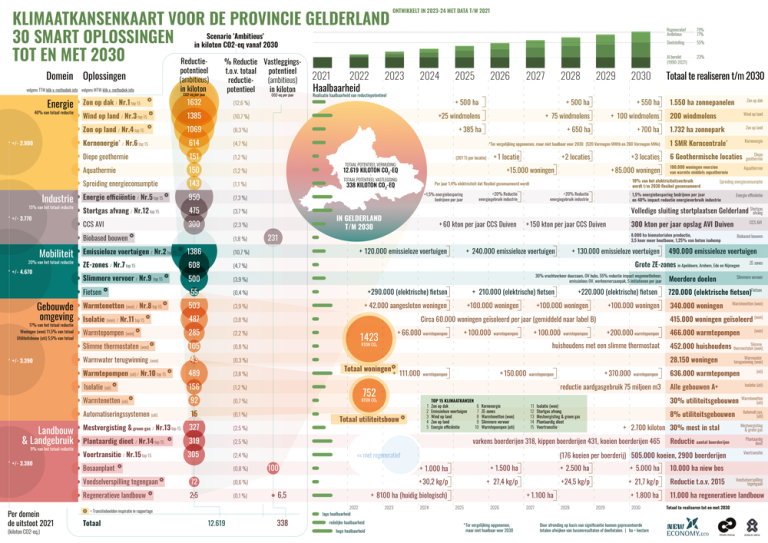
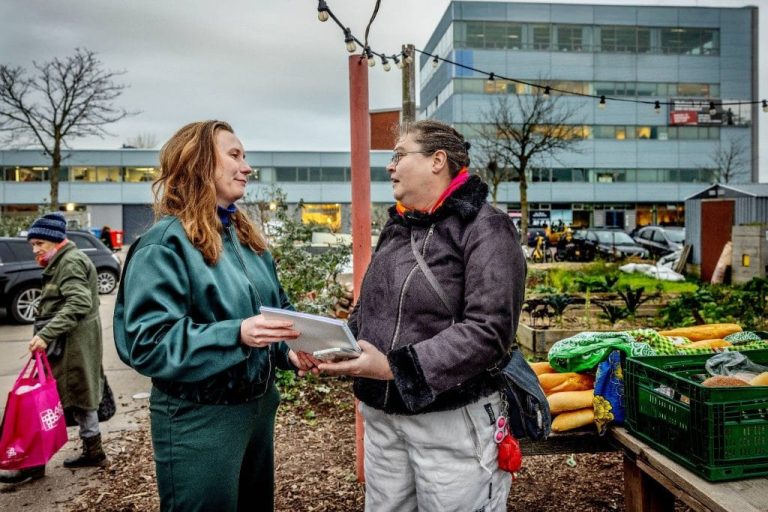
Projects for businesses, products, municipalities and provinces.
All projects →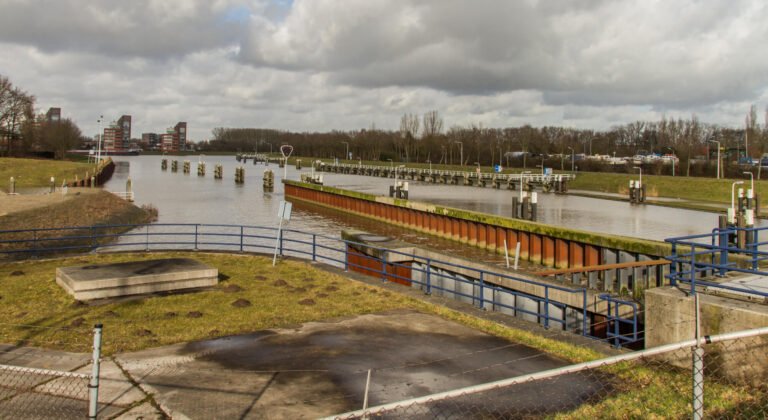

Insights
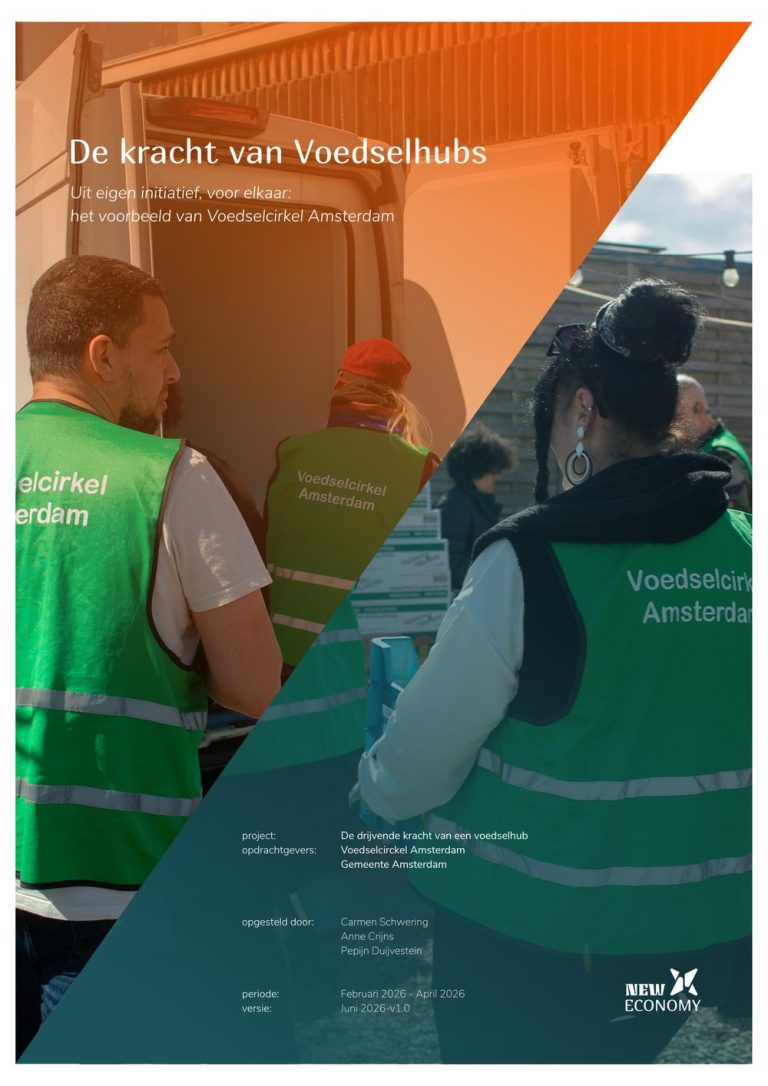
Figures, lessons and recommendations from applied service work.
Frequently asked questions
A first step is often a baseline footprint, eco-cost analysis, compliance scan or life-cycle assessment (LCA), because these services create the measurable basis for strategy and implementation.
Yes. Each service can stand alone or become part of a broader trajectory covering measurement, social cost-benefit analysis (MKBA), regenerative design, circular business models and implementation.
Yes. The portfolio supports businesses, product teams, municipalities, provinces and regional partnerships with CO₂ footprint, life-cycle assessment (LCA), MKBA, climate planning, carbon sequestration and programme development.
The services do not stop at lower negative impact. The aim is a route towards restoration and added value for ecosystems and communities, with choices substantiated by data and practical implementation logic.
A concrete service starts with a concrete question
A compact first scan can clarify the right route: footprint, compliance, MKBA, product design or regional programme development.
Contact New Economy