

What is biobased building and design?
Biobased materials are made from renewable biological resources such as wood, hemp, flax, straw and mycelium, supporting circular and regenerative building and design.
Biobased materials are made from renewable biological resources such as wood, hemp, flax, straw and mycelium, supporting circular and regenerative building and design.

An Environmental Product Declaration (EPD) is a standardised, independently verified product environmental passport based on a life-cycle assessment.
What is an Environmental Product Declaration (EPD)? Read More »
Double materiality is the CSRD principle that assesses sustainability topics from two sides: impact on people and the environment, and financial relevance for the organisation.
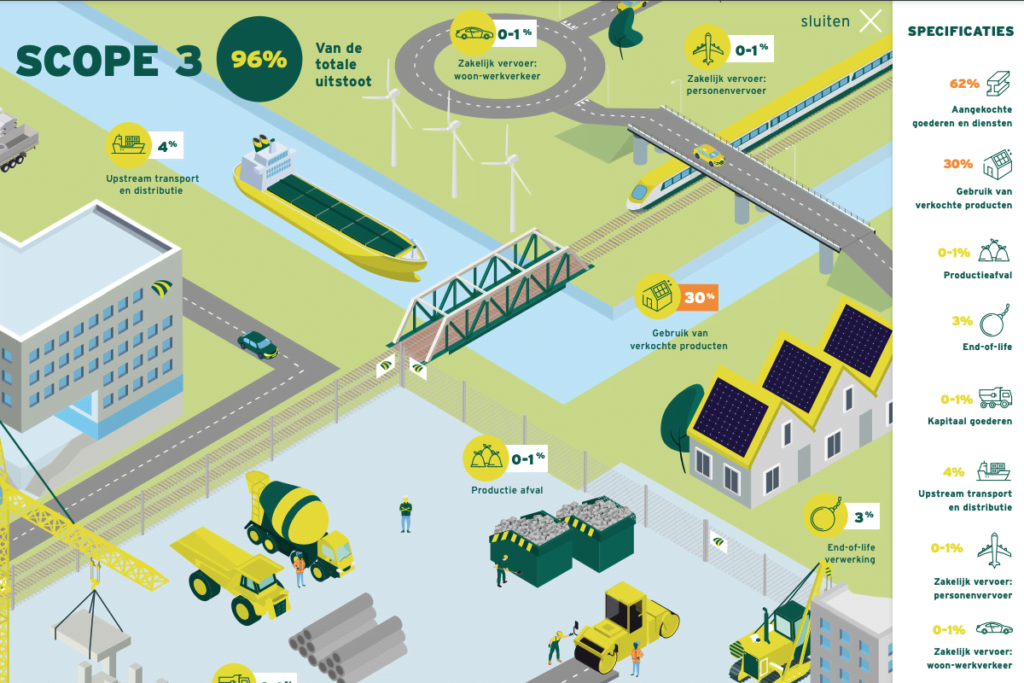
Scope 3 emissions are the indirect value-chain emissions of an organisation, often 70 to 90 percent of the total footprint. The approach, the evidence and the monitoring of scope 3 and circularity for companies, municipalities and provinces.
Scope 3 in practice: mapping value-chain emissions Read More »
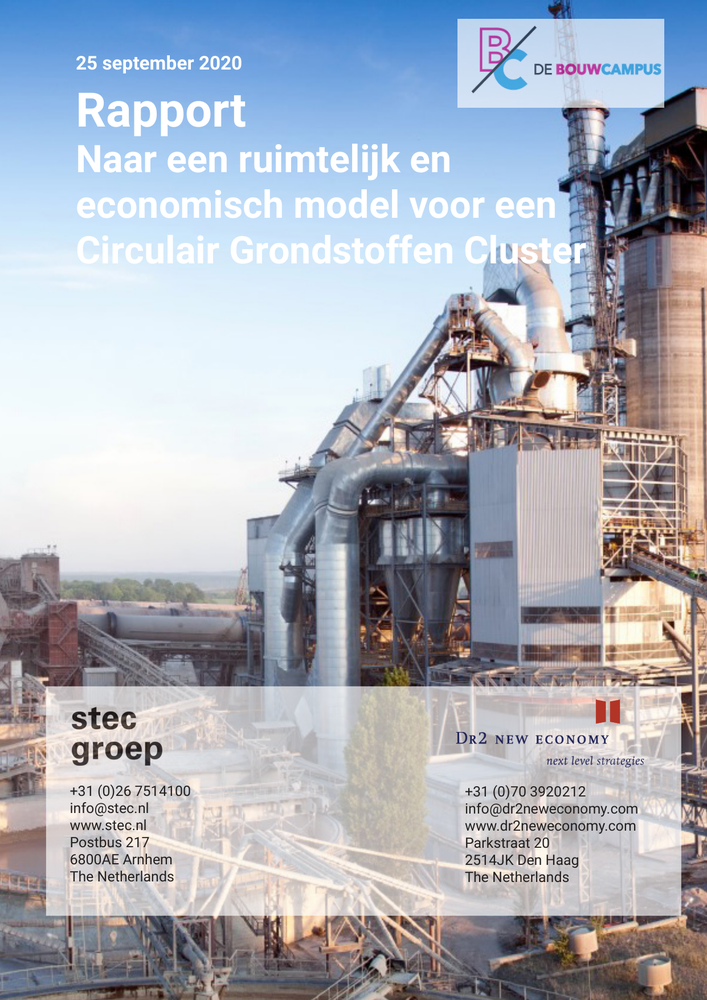
Critical materials are becoming scarcer. A design-led response reduces dependency through less, smarter and renewable material use at the source.
A baseline measurement only creates value when it leads to a substantiated reduction target and an action plan focused on the largest emission sources.
From baseline measurement to reduction target: the first steps Read More »
A social cost-benefit analysis (MKBA) makes the broader value of regional policy measurable, including health, nature, liveability and social cohesion.
Social cost-benefit analysis (MKBA) as a basis for regional policy Read More »
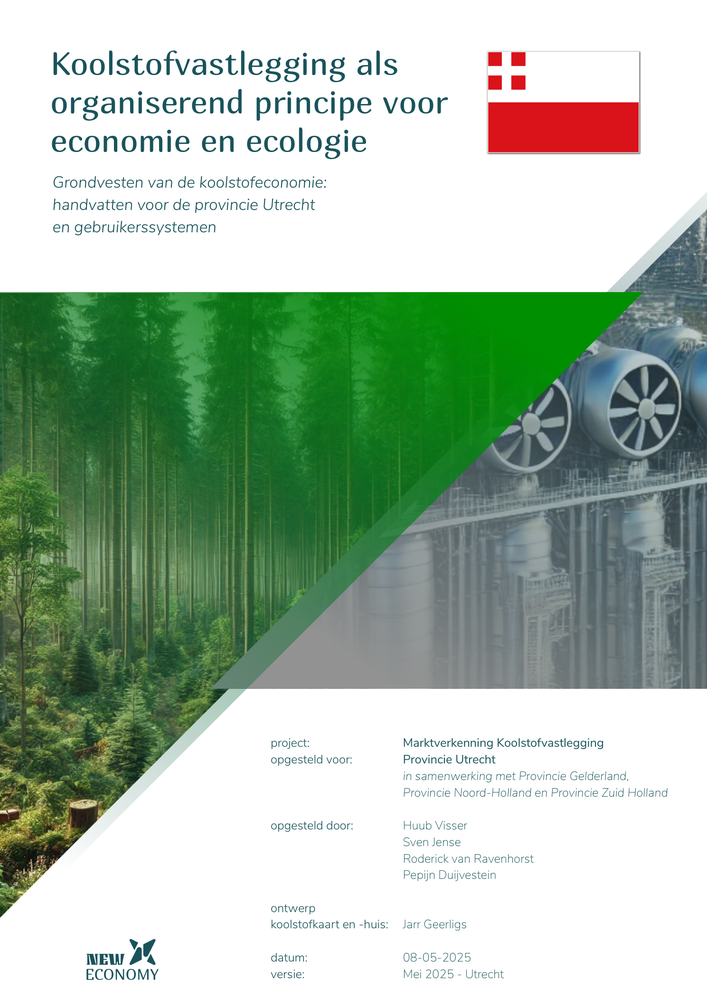
Regenerative area development goes beyond climate adaptation by actively restoring soil, water and biodiversity while strengthening climate, nature and economy.
From climate adaptation to regenerative area development Read More »

The protein transition shifts from animal-based protein toward more plant-based and sustainable proteins, creating opportunities for health, climate, land use and regional economy.
The protein transition: opportunities for municipalities and regions Read More »
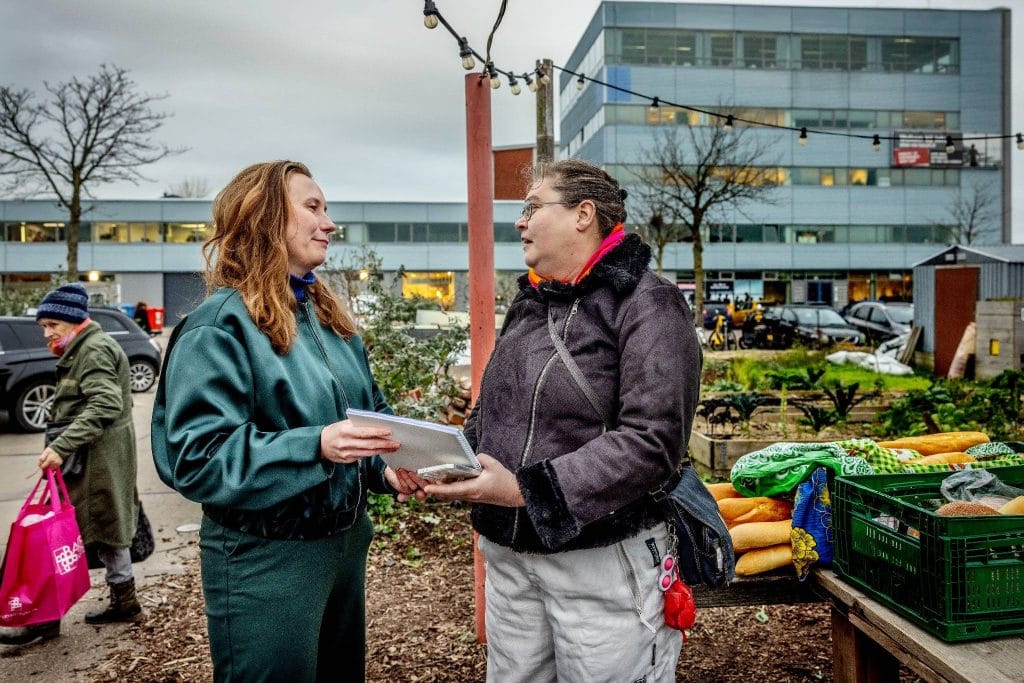
Short supply chains connect producer and consumer with fewer links, often within one region. They strengthen local economies, transparency and food-system resilience.
Short supply chains: from regional farm to plate Read More »