
Opinion · Biodiversity & ecosystem services
Iris Grobben, Jonah Link, Boi de Moel and Pepijn Duijvestein · originally published on LinkedIn, 26 June 2020
Investing in biodiversity means directing capital, purchasing decisions and business-model choices towards the recovery and protection of ecosystem services. Biodiversity and ecosystem services form the foundation of the economy. In the Netherlands, €510 billion in financing is exposed to companies that depend heavily on ecosystem services while also contributing to the degradation of those same systems, according to the DNB and PBL analysis referenced in the original article. Five practical steps follow: measure the footprint, reduce impact, develop circular business models, research alternatives and include broader value through Total Cost of Ownership and Total Cost of Use.
Why does every step matter for biodiversity?
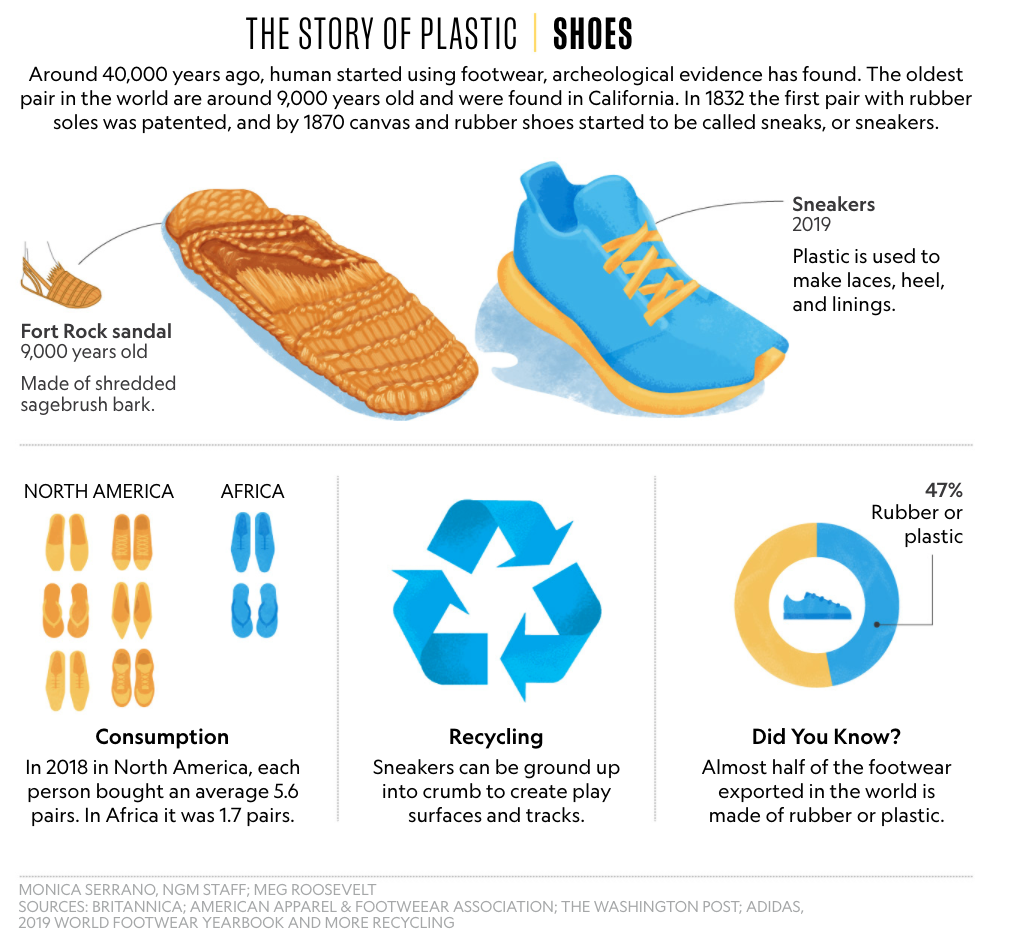
The original article uses shoes as a metaphor. A product can contribute to plastic pollution, chemical dye use, groundwater contamination and microplastics. National Geographic is cited for the point that 47% of all footwear produced globally contributes to pollution because soles are made from plastic and synthetic rubber. The same logic applies across product chains: everyday consumption can indirectly create an unhealthy living environment.
Why is a baseline the first step?
Every product chain and business operation contains hidden impact on the living environment and fertile soil. That impact can be measured, for example through a CO2 footprint or life-cycle analysis. Measurement makes the origin of hidden impact visible and creates the basis for reducing harm and moving towards regenerative products and services.
What is the role of ecosystem services?
All companies derive value from ecosystem services. Agriculture depends on soil fertility, natural water purification and pollination by wild bees. IT companies depend on raw materials for computers and energy for operating systems. Ecosystems can keep providing these services when there is sufficient biodiversity and a stable, healthy climate. Business models therefore need to protect and restore the ecosystem services on which value creation depends.
Where is the financial exposure?
Dutch institutions have €510 billion in financing outstanding to companies with high dependence on ecosystem services. Many of those investments damage the same ecosystems on which the companies depend. A euro spent in a conventional system may create short-term return while causing long-term ecosystem damage and value loss.
What are the five steps to invest in biodiversity?
| Step | Action | Effect |
|---|---|---|
| 1 | Know the starting point: establish the footprint with a baseline | Impact on CO2, biodiversity, water and materials becomes visible |
| 2 | Reduce impact in current operations and use compensation only temporarily where needed | Material and energy use decline before offsetting is considered |
| 3 | Develop circular business models that keep products in the chain longer | Maintenance, buy-back, repair and refurbishment extend product value |
| 4 | Research alternatives for high-impact materials | Substitution makes lower-impact and biobased materials visible |
| 5 | Look beyond financial return and include Total Cost of Ownership and Total Cost of Use | Multiple value creation for biodiversity, ecosystem services and long-term resilience becomes part of decision-making |
How do circular business models support biodiversity?
Products that remain in use for longer reduce the need for new material extraction. Maintenance, repair, refurbishment and product take-back can extend value while reducing pressure on land, water and ecosystem services. In manufacturing and construction, this logic can be combined with lower-impact materials and biobased alternatives.
Why include Total Cost of Ownership and Total Cost of Use?
A business creates added value. Financial return remains relevant, but decision-making can also account for biodiversity and ecosystem value. A product can be designed to avoid impact, reduce harm or create more biodiversity and resilience. This broader lens helps prevent decisions that look cheap in the short term but become expensive when environmental damage is included.
Frequently asked questions
Investing in biodiversity means directing capital, procurement, design and business-model choices towards the protection and restoration of ecosystem services.
Ecosystem services provide soil fertility, pollination, water purification, raw materials and climate stability. These services underpin production and long-term financial value.
The first step is a baseline that makes impact visible, for example through a CO₂ footprint, biodiversity assessment, water-use analysis or life-cycle analysis.
Circular business models keep products and materials in use for longer. This reduces new resource extraction and lowers pressure on land, water and ecosystem services.
Total Cost of Ownership and Total Cost of Use make long-term value, maintenance, environmental costs and ecosystem risks more visible than purchase price alone.
Related: do not compensate, create, carbon sequestration and Footprint baseline.