BEYOND SUSTAINABLE

Regenerative concepts, products and programmes

New Economy is a regenerative creative concept developer. Ten years of in-depth analysis and calculations, translated into concrete concepts for businesses, products, communities, municipalities and provinces.

THE LEAP

Beyond sustainable

Regenerative goes beyond sustainable: not less bad, but restorative and value-adding. New Economy helps businesses, municipalities and provinces make that leap: from preservation, through restoration, to regeneration.

Preserve

Preserve what is healthy and valuable.

Restore

Restoration of soil, water and community.

Regenerate

Adding value to the ecosystem.

Read the full vision →

EXPERTISE

Strategy, analysis and regenerative design

Underpinned by data: life-cycle assessment (LCA), social cost-benefit analysis (MKBA) and CO2 footprint form the basis for strategy, policy and design.

WHERE DOES THE ORGANISATION STAND?

Take the regenerative scan

Map out where the organisation stands now, from conventional to regenerative, and see what the next step is.

Self-scan · the Regenerative Heart

From sustainable to real value: regenerative

Regenerative means restorative and renewing: contributing to ecology, fairness and equity — a step beyond sustainable.

Three domains form the core. Five pillars strengthen them and do things fundamentally differently.

Inspired by Bill Reed’s Trajectory of Ecological Design, made applicable by New Economy.

Filling in the scan

1For each theme, choose the level that best applies right now.
2Eight themes, one screen per theme. Going back is always possible; choices are kept.
3At the end, an overview follows by email, with the next step for each theme.

How the score works

Each choice is a level from 1 to 5. For each theme, the distance to level 5 counts as the number of open steps. Eight themes together add up to a maximum of 32 steps. The percentage shows how far the journey to regenerative has come.

The email address is used to send the overview. An exploratory conversation about the next steps may follow.

Tap a section for the explanation.

the modelThree domains, five pillarsSocial, economical and ecological form the core. The five pillars shape how value is created. Tap a section for the explanation.

the journey: conventional green sustainable restorative regenerative

Theme Conventional Green Sustainable Restorative Regenerative
Three domains — the core
Social providing and generational thinking
Economical governance and ownership
Ecological preserve, restore, regenerate
Five pillars — strengthen and do things fundamentally differently
Appeal and connection
Avoiding and reducing conflict
(Un)conscious butterfly effect
Global and local
Equity and recognition

The value heart, coloured in

The colour runs from grey (conventional) via Tiffany Blue to green (regenerative), per theme. Tap a section for the theme and the chosen level.

conventionalsustainableregenerative
Tap a section in the heart.
steps to regenerative

Receive the overview by email

Choose the current level for each theme above. The full overview, with the next step per theme, will arrive by email.

More about the regenerative vision and the scan →

KNOWLEDGE & INSIGHTS

Insights from practice

Ten years of substantiated knowledge from analyses and projects: figures, insights and recommendations, each with source and method.

From practice

Pioneering projects

Practical projects with clients, from carbon sequestration to food strategy and regional development.

80+
practical projects with clients
Projecten

Recente projecten

RAPPORT
Industry in the Gelderland Climate Opportunities Snapshot 2025

The Industry sector page for the Gelderland 2025 snapshot shows modest emission decline and the remaining role of energy efficiency, landfill gas capture, CCS/CCU and biobased building.

Lees het project →
RAPPORT
Mobility in the Gelderland Climate Opportunities Snapshot 2025

The Mobility sector page for the Gelderland 2025 snapshot highlights rising emissions and the remaining implementation task for zero-emission vehicles, zero-emission zones, smarter transport and cycling.

Lees het project →
RAPPORT
Agriculture and land use: 2025 snapshot

The Agriculture and Land Use sector page for the Gelderland 2025 snapshot shows rising emissions, remaining reduction potential and the role of manure digestion, dietary shifts, forests and regenerative agriculture.

Lees het project →
RAPPORT
Climate Action Recap Gelderland: Built Environment, 2025 Snapshot

The Built Environment sector page for the Gelderland 2025 snapshot shows emission reduction, realised potential and the remaining implementation task for renovation, heat pumps and heat networks.

Lees het project →
RAPPORT
Energy in the Gelderland Climate Opportunities Snapshot 2025

The Energy sector page for the Gelderland 2025 snapshot places the strong emissions decrease between 2021 and 2023 in relation to remaining potential, grid congestion and implementation capacity.

Lees het project →
RAPPORT
Climate Opportunities Gelderland: Snapshot & Reflection 2025

The Gelderland Climate Opportunities Snapshot & Reflection 2025 shows progress since the 2023-2024 Climate Opportunities Map and brings implementation, traction, remaining gaps and carbon storage into one progress layer.

Lees het project →
RAPPORT
Carbon sequestration: North Holland

For the province of North Holland, New Economy explored carbon sequestration as a way to strengthen economy, nature and climate, with links to natural sequestration and regional value creation.

Lees het project →
RAPPORT
Carbon sequestration: Gelderland

For the province of Gelderland, New Economy explored carbon sequestration as an organising principle for economy, nature and climate, linked to biodiversity, nitrogen, circularity and land use.

Lees het project →
TEN YEARS BEYOND SUSTAINABLE STRATEGY

80+ projects, underpinned by life-cycle assessment (LCA), MKBA and CO2 footprint.
DEME logoCity of Amsterdam logoProvince of Utrecht logoRotterdam The Hague Metropolitan Area logoProvince of Groningen logoPort of Zwolle logoAmsterdam Metropolitan Area logoJaarbeurs Utrecht logoDe Kleine Aarde logoJOYinCARE logoDura Vermeer logoBonusan logo
TO THE MARKET

Regenerative innovation to market

Regenerative innovation is technology, a concept or a model that restores ecosystems and adds value. New Economy brings regenerative innovation to market, from hard technology to new concepts and business models.

Market access & representation — the solution connected to the right partners, channels and markets, at home and abroad.

Which solutions go to market?

Biobased materials and products
Water technology and sustainable water management
Ecological restoration and biodiversity
Climate and carbon technology, natural CO2 storage
Circular concepts and business models

Impact business development →

REGENERATIVE DESIGN CONCEPT

Biobased Design

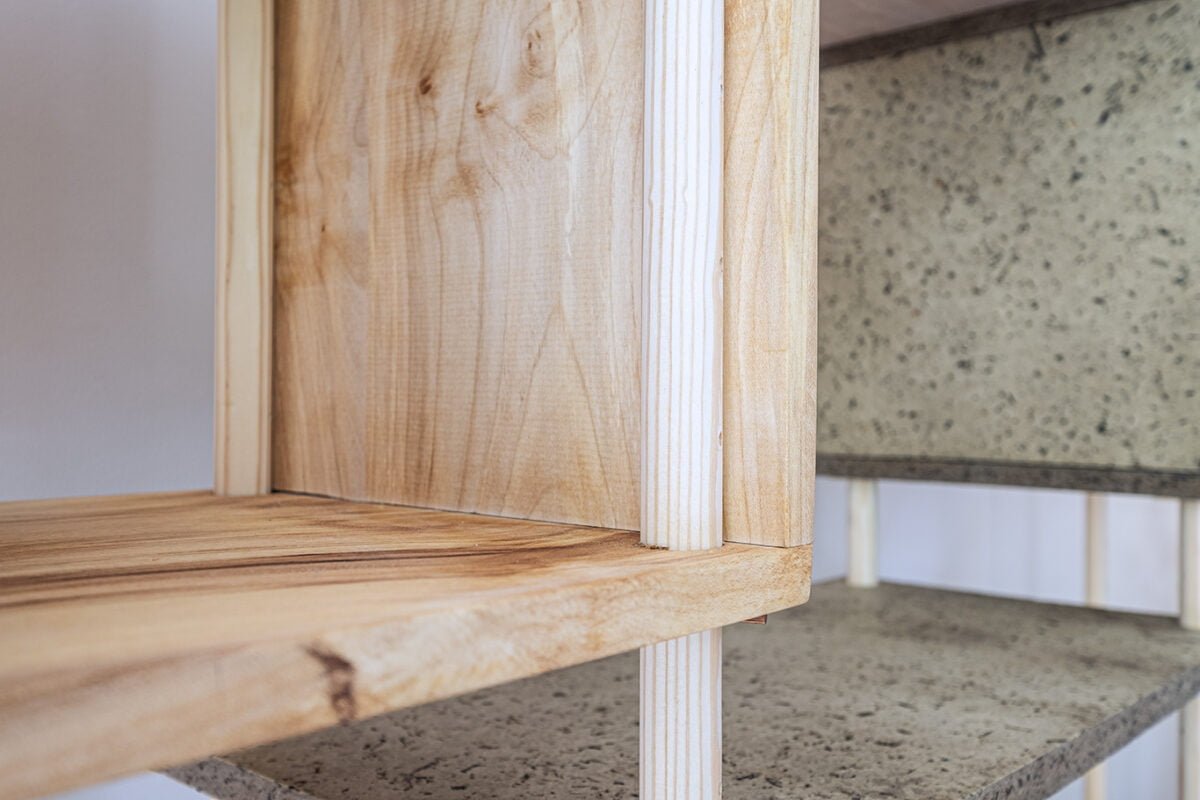
Biobased Design is a regenerative design concept by New Economy, developed with studio Brian Kersbergen: from healthy material to furniture. The first concept is the Regenerative Modular Cabinet, 100% biobased and biodegradable, open-source, modular and repairable.
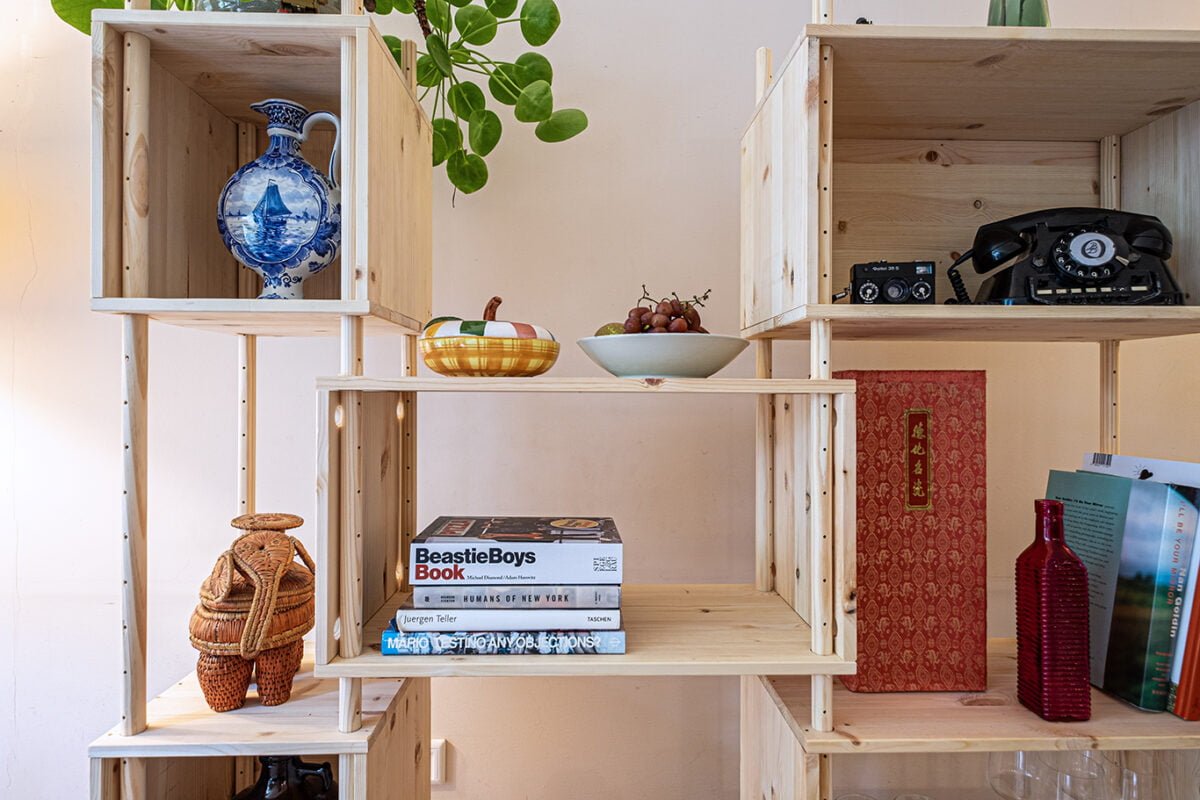
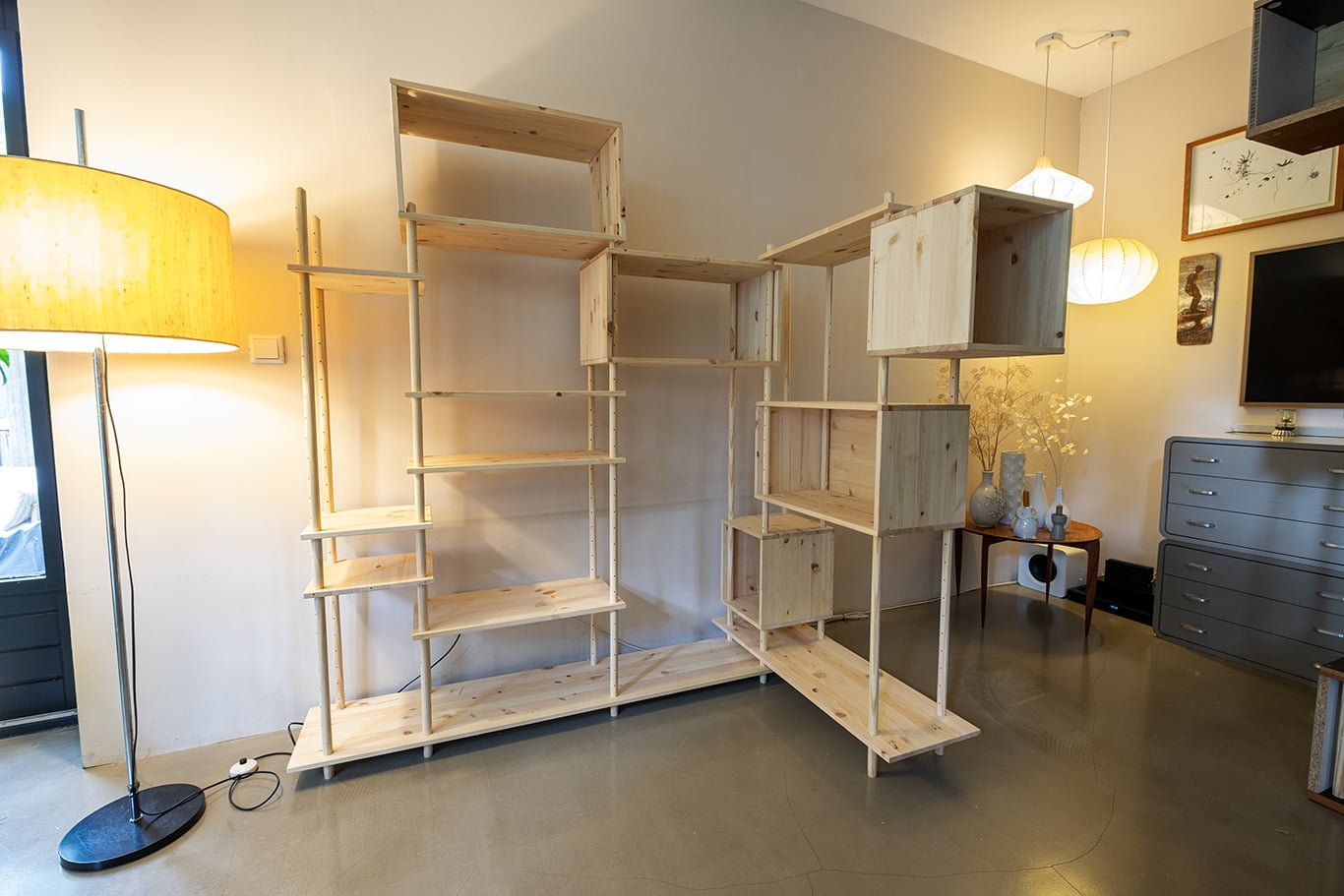
100% biobased & biodegradable Open-source & modular Preserve → restore → regenerate
Regenerative Modular Cabinet by Biobased Design
Regenerative Modular Cabinet, modular arrangement
Detail of the biobased panels and frames
Regenerative Modular Cabinet in use

Image: Biobased Design · Regenerative Modular Cabinet. Finnish FSC wood frames with biobased panels (SeaWood, City_Wood, Paulownia, Ecor) and covers made from Dutch natural fibres.

THE VISION IN SEVEN STEPS

From preservation to regeneration

The regenerative vision of New Economy, applied to its own design concept Biobased Design and summarised in seven principles that underpin every project.

01
Social value

Work that contributes to health, community and equality.

02
Ecological value

From preservation through restoration to regeneration, with materials that are 100% biobased and biodegradable.

03
Economic value

Not for profit but for impact, with fair prices and a steward-owned cooperative as the ambition.

04
Attractive and connecting

Design that attracts people and connects them with each other and with nature.

05
Avoiding conflict

No critical raw materials and no displacement, with an eye for the Jevons effect.

06
Local and global

Short chains and bioregions, with knowledge and designs applicable everywhere.

07
Equality and recognition

Accessible and repairable, with open-source designs and do-it-yourself kits.

Curious what that looks like? View Biobased Design →

HOW IT WORKS

From ambition to result

01Determine ambition and direction.
02Footprint and impact analysis (LCA, MKBA).
03Regenerative design.
04Together with the market.

Frequently asked questions

What is regenerative business?

Regenerative business is business that restores and strengthens ecosystems and communities rather than depleting them. It goes beyond doing less harm: the aim is net positive value for nature, people and the economy.

What is the difference between sustainable and regenerative?

Sustainable focuses on doing less harm and preserving what exists. Regenerative goes a step further and adds value: restoration of soil, water, biodiversity and social cohesion, measurably underpinned by LCA, MKBA and CO₂ footprint.

What does New Economy do?

New Economy is a regenerative creative concept developer. Ten years of in-depth analysis and calculations are translated into concrete concepts for businesses, products, communities, municipalities and provinces, underpinned by LCA, MKBA and CO₂ footprint.

What is a life-cycle assessment (LCA)?

A life-cycle assessment (LCA) maps the environmental impacts of a product or service across its full lifespan, from raw material to end of use. The LCA forms a measurable starting point for product innovation and strategy.

LATEST

News and background

Articles, analyses and background on regenerative strategy, impact and design.

Ready for the next step?

A regenerative vision begins with a conversation about ambition and possibilities.

Get in touch for the next step

CONTACT · NEW ECONOMY

Zet nu de eerste stap

Een vraag, een idee of een eerste verkenning. Laat een bericht achter en New Economy reageert zo snel mogelijk.

Scroll to Top
ite nodig; verwijder dit snippet en de pagina is exact terug bij af. Plaatsing: WPCode -> nieuw snippet -> type HTML -> Footer / site-wide. De guard hieronder beperkt het tot pagina 8365 (Utrecht). ============================================================ */ (function(){ "use strict"; function init(){ var b = document.body; if(!b) return; // GUARD: alleen op de pilotpagina (single project, postid-8365) if(!b.classList.contains("single-project") || !b.classList.contains("postid-8365")) return; // idempotent: niet dubbel bouwen if(document.querySelector(".ne-leesbalk")) return; var root = document.querySelector(".ne-rd"); if(!root) return;// --- hoofdstukken: echte ankers, over containers heen, in leesvolgorde --- var sel = ".ne-rd .rd-report > section[id], .ne-rd .report > section[id], .ne-rd .huisband[id], .ne-rd .ne-inzichtenband[id], .ne-rd #gerelateerd"; var nodes = [].slice.call(document.querySelectorAll(sel)); // dedupe + documentvolgorde nodes = nodes.filter(function(n,i){ return nodes.indexOf(n) === i; }); nodes.sort(function(a,c){ return (a.compareDocumentPosition(c) & 2) ? 1 : -1; }); if(nodes.length < 2) return;var hoofdstukken = nodes.map(function(n){ var h = n.querySelector("h2"); var t = h ? h.textContent.replace(/\s+/g," ").trim() : (n.id || "Hoofdstuk"); return { id:n.id, titel:t, el:n }; }); var total = hoofdstukken.length, current = 0;// --- #downloads-fix: de downloadband heeft geen id, knoppen linken er wel naar --- if(!document.getElementById("downloads")){ var dl = document.querySelector(".ne-rd .dlband"); if(dl) dl.id = "downloads"; }// --- CSS injecteren (identiek aan het toekomstige post-31-blok) --- var css = "" +"@media(max-width:760px){" +"body.single-project:has(.ne-leesbalk) .ne-rd .rd-report p,body.single-project:has(.ne-leesbalk) .ne-rd .report p{font-size:16px;line-height:1.78;color:#243b3e;margin:0 0 14px}" +"body.single-project:has(.ne-leesbalk) .ne-rd .rd-report h2,body.single-project:has(.ne-leesbalk) .ne-rd .report h2{font-size:21px;margin:22px 0 8px}" +"body.single-project:has(.ne-leesbalk) .ne-rd .rd-report{max-width:62ch}" +"body.single-project:has(.ne-leesbalk) .ne-rd .inzet-label{font-family:'Unlock',sans-serif;font-size:10px;letter-spacing:.09em;color:#159b86;margin:6px 0 8px}" +"}" +"@media(max-width:900px){body.single-project:has(.ne-leesbalk) .ne-rd .rd-toc{display:none}}" +"@media(max-width:900px){" +"body.single-project:has(.ne-leesbalk) .site-main{padding-bottom:72px}" +"body.single-project:has(.ne-leesbalk) .ne-rd .huisband[id],body.single-project:has(.ne-leesbalk) .ne-rd .ne-inzichtenband[id],body.single-project:has(.ne-leesbalk) .ne-rd #gerelateerd{scroll-margin-top:120px}" +".ne-leesbalk{position:fixed;left:0;right:0;bottom:0;z-index:1200;display:flex;align-items:center;gap:10px;padding:9px 12px;background:#0f3b42;padding-bottom:calc(9px + env(safe-area-inset-bottom))}" +".ne-leesbalk .lb-btn,.ne-leesbalk .lb-arrow{display:grid;place-items:center;width:36px;height:36px;border-radius:10px;background:rgba(255,255,255,.1);color:#9cfffa;flex:0 0 auto;text-decoration:none;border:0;cursor:pointer}" +".ne-leesbalk .lb-btn svg,.ne-leesbalk .lb-arrow svg{width:20px;height:20px}" +".ne-leesbalk .lb-mid{flex:1;min-width:0}" +".ne-leesbalk .lb-pos{font-size:12.5px;color:#fff;white-space:nowrap;overflow:hidden;text-overflow:ellipsis}" +".ne-leesbalk .lb-prog{height:3px;border-radius:2px;background:rgba(255,255,255,.15);margin-top:5px;overflow:hidden}" +".ne-leesbalk .lb-prog i{display:block;height:100%;width:0;background:#47e23c;border-radius:2px;transition:width .25s}" +".ne-leesbalk .lb-nav{display:flex;gap:6px;flex:0 0 auto}" +".lb-overlay{position:fixed;inset:0;z-index:1250;background:rgba(15,59,66,.4);opacity:0;visibility:hidden;transition:opacity .28s ease}" +".lb-overlay.is-open{opacity:1;visibility:visible}" +".ne-leessheet{position:fixed;left:0;right:0;bottom:0;z-index:1300;background:#fff;border-radius:18px 18px 0 0;transform:translateY(110%);transition:transform .28s ease;box-shadow:0 -8px 24px rgba(15,59,66,.18);max-height:70vh;overflow:auto;padding-bottom:calc(8px + env(safe-area-inset-bottom))}" +".ne-leessheet.is-open{transform:translateY(0)}" +".lb-grip{display:block;width:38px;height:4px;border-radius:3px;background:#d4dedc;margin:9px auto 2px}" +".lb-sheethead{display:flex;align-items:center;justify-content:space-between;padding:8px 16px 6px;font-family:'Marmelad',serif;font-size:17px;color:#1a535c}" +".lb-close{font-size:24px;color:#8aa4a7;cursor:pointer;line-height:1;border:0;background:0;padding:0 4px}" +".lb-ch{display:flex;align-items:center;gap:12px;padding:12px 16px;border-top:1px solid #f0f4f3;text-decoration:none}" +".lb-ch .n{font-family:'Marmelad',serif;font-size:15px;color:#9bb3b6;flex:0 0 26px;text-align:center}" +".lb-ch .t{font-size:14px;color:#243b3e}" +".lb-ch.is-current{background:#e7f7f2;border-top-color:#cdeee5}" +".lb-ch.is-current .n{color:#159b86}" +".lb-ch.is-current .t{color:#0f3b42;font-weight:700}" +"}" +"@media(min-width:901px){.ne-leesbalk,.ne-leessheet,.lb-overlay{display:none}}"; var st = document.createElement("style"); st.id = "ne-leesbalk-css"; st.textContent = css; document.head.appendChild(st);// --- iconen --- var icoLijst = ''; var icoOmhoog = ''; var icoOmlaag = '';// --- balk --- var bar = document.createElement("div"); bar.className = "ne-leesbalk"; bar.setAttribute("aria-label","Leesbalk"); bar.innerHTML = '' +'
Hoofdstuk 1 / '+total+'
' +'
' +''+icoOmhoog+'' +''+icoOmlaag+'' +'
';// --- sheet --- var sheet = document.createElement("nav"); sheet.className = "ne-leessheet"; sheet.setAttribute("aria-label","Inhoudsopgave"); var rows = '' +'
Inhoudsopgave
'; hoofdstukken.forEach(function(h,i){ var nr = (i+1<10?"0":"")+(i+1); rows += ''+nr+''+h.titel+''; }); sheet.innerHTML = rows;var overlay = document.createElement("div"); overlay.className = "lb-overlay";b.appendChild(bar); b.appendChild(overlay); b.appendChild(sheet);var pos = bar.querySelector(".lb-pos"); var prog = bar.querySelector(".lb-prog i"); var arrows = bar.querySelectorAll(".lb-arrow"); var chs = [].slice.call(sheet.querySelectorAll(".lb-ch"));function setCurrent(i){ current = Math.max(0, Math.min(total-1, i)); if(pos) pos.textContent = "Hoofdstuk "+(current+1)+" / "+total; if(prog) prog.style.width = Math.round((current+1)/total*100)+"%"; chs.forEach(function(c,k){ c.classList.toggle("is-current", k===current); }); if(arrows[0]) arrows[0].setAttribute("href","#"+hoofdstukken[Math.max(0,current-1)].id); if(arrows[1]) arrows[1].setAttribute("href","#"+hoofdstukken[Math.min(total-1,current+1)].id); } setCurrent(0);// live positie if("IntersectionObserver" in window){ var io = new IntersectionObserver(function(entries){ entries.forEach(function(e){ if(e.isIntersecting){ var idx = hoofdstukken.findIndex(function(h){ return h.el === e.target; }); if(idx > -1) setCurrent(idx); } }); }, { rootMargin:"-45% 0px -45% 0px", threshold:0 }); hoofdstukken.forEach(function(h){ io.observe(h.el); }); }// open / sluit function open(){ overlay.classList.add("is-open"); sheet.classList.add("is-open"); } function close(){ overlay.classList.remove("is-open"); sheet.classList.remove("is-open"); } bar.querySelector(".lb-btn").addEventListener("click", open); overlay.addEventListener("click", close); sheet.querySelector(".lb-close").addEventListener("click", close); chs.forEach(function(c){ c.addEventListener("click", close); }); }if(document.readyState === "loading"){ document.addEventListener("DOMContentLoaded", init); } else { init(); } })();