
Project dossier · 2026
Regenerative design concept
Biobased Design
A joint design practice by Brian Kersbergen and Pepijn Duijvestein, with the Regenerative Modular Cabinet as its first result: a modular, repairable and open-source cabinet system made from biobased materials and local residual streams.
Biobased materials
Kast der Kasten · OBA Osdorp
The dossier
Biobased Design makes regenerative design tangible: furniture that retains value, uses local material streams and makes design knowledge publicly accessible.
The collaboration between Brian Kersbergen and Pepijn Duijvestein brings together furniture design, makeability, material research and regenerative strategy. The Regenerative Modular Cabinet grows and changes along with its users, is repairable and has several lifespans. From a first launch at Dutch Design Week to a borrowable building tool in the library, the design moves from introduction to public use.

The product
Regenerative Modular Cabinet
The Regenerative Modular Cabinet is composed of frames, shelves, boxes and covers. Every configuration is adaptable, expandable and repairable.
The design couples furniture quality with material awareness: local residual streams, natural fibres, demountable joints and a long service life.
Concept
What is Biobased Design
Biobased Design redefines furniture: from a disposable object to a timeless, regenerative design that outlives its users and leaves a positive legacy.
The starting point is a moral design question. For every product, the question is whether it is truly needed, how urgent it is, whether it has a future and which materials suit it. In this way attention shifts from footprint to value retention: furniture that lasts, stays repairable and prompts a conscious conversation about what people use and own every day.
Biobased Design is set up as an open platform for designers, material makers and regenerative thinkers. The products are open-source and modular, made from healthy materials and accessible to everyone. The materials come from renewable sources that restore soil, water, biodiversity and local communities rather than deplete them.
The first product is the Regenerative Modular Cabinet, a modular cabinet system that combines professional design, do-it-yourself accessibility and biobased material use.
The product
The Regenerative Modular Cabinet
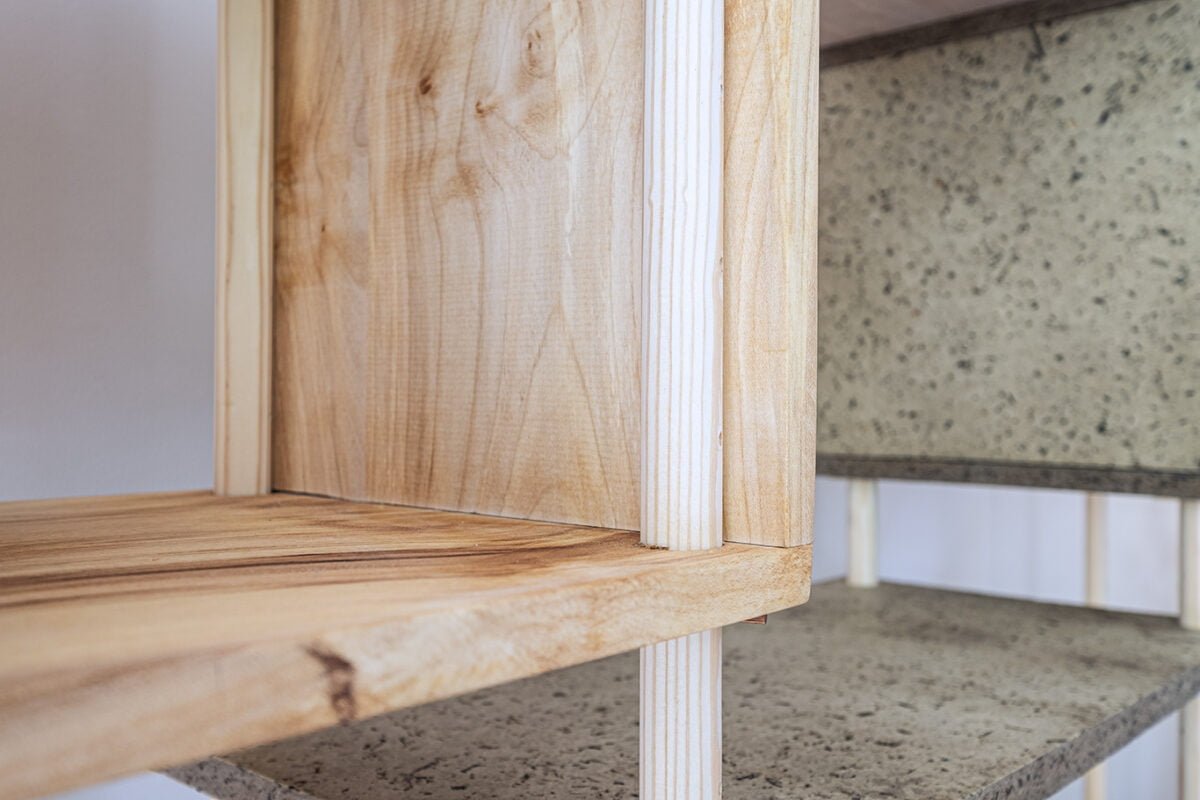
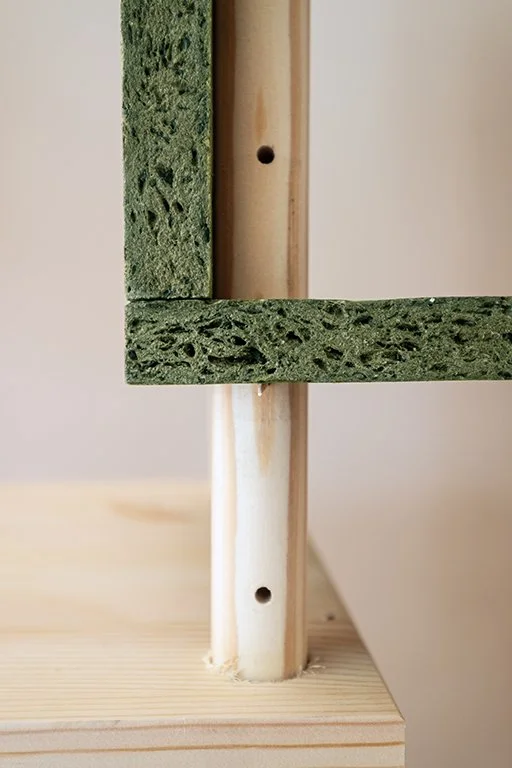
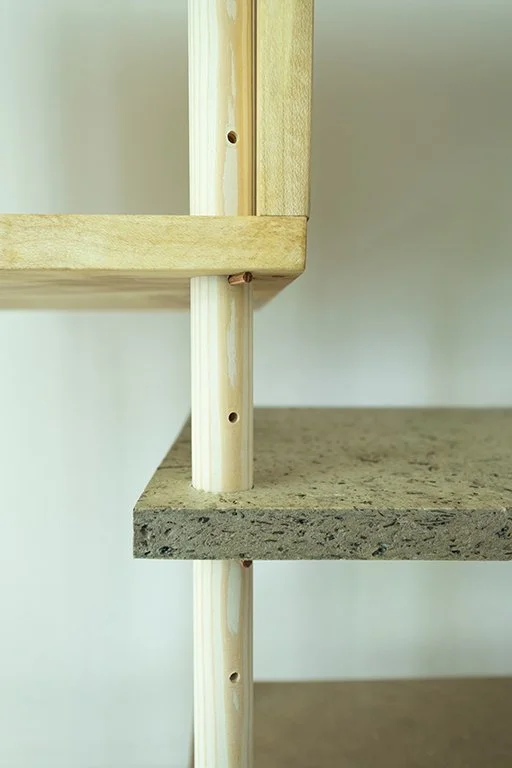
The Regenerative Modular Cabinet is a modular cabinet system. A base consists of frames, shelves and boxes and can be freely composed, expanded and adapted. The frames are made of Finnish FSC wood and produced in West Friesland.
| Component | Description |
|---|---|
| Frames | Load-bearing framework, 160 and 200 cm high, per pair. |
| Shelves | Shelf surfaces, 30 and 60 cm wide. |
| Boxes | Closed compartments, 30 and 60 cm wide. |
| Covers | Fronts of Dutch natural fibres, double-sided and unique per material stream. |
| Tool and handbook | Simple tools and building instructions for makers, children, libraries and makerspaces. |
In pictures
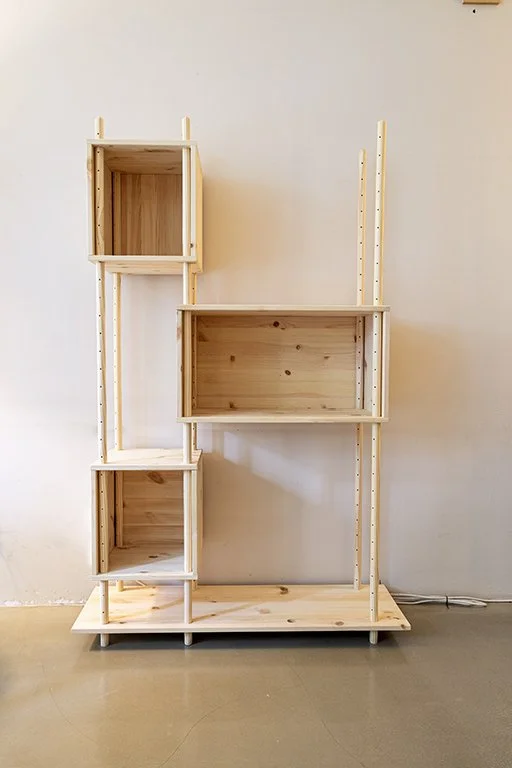
The cabinet in the studio
Product images from biobaseddesign.com: the modular cabinet system, the boxes and the covers of natural fibres.


Public design
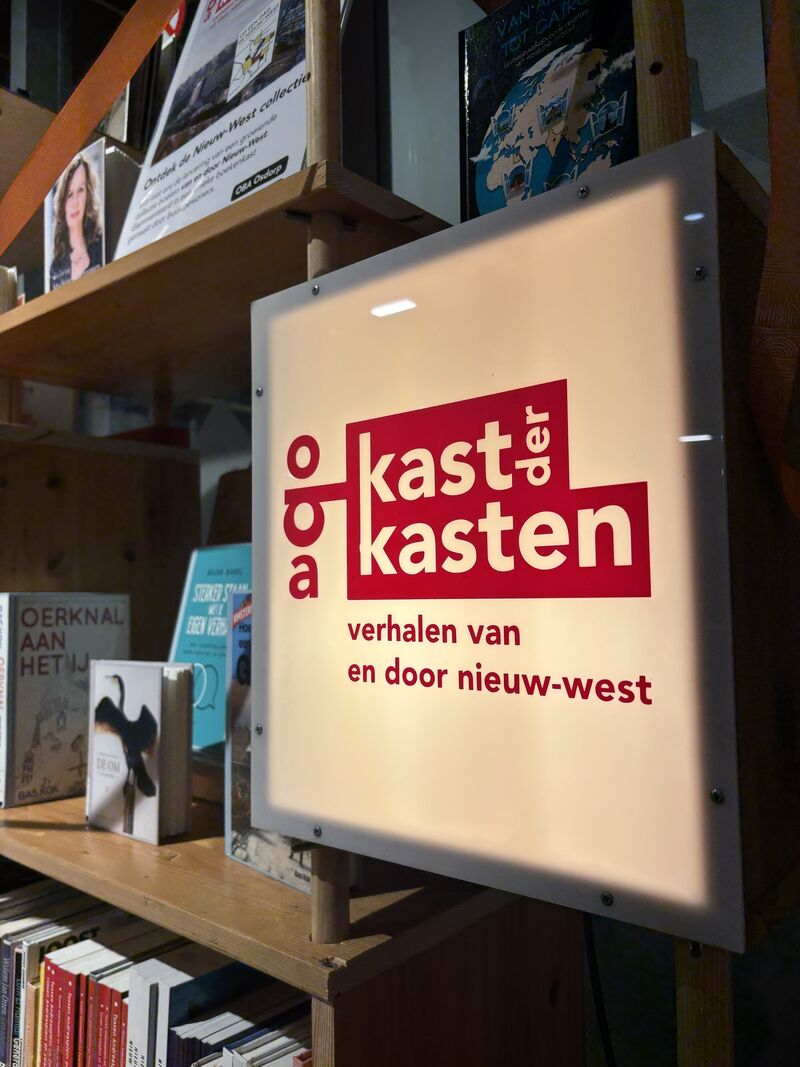
Kast der Kasten at OBA Osdorp
Truly circular design emerges once access is central: not only buying furniture, but also being able to make, repair and adapt it yourself.
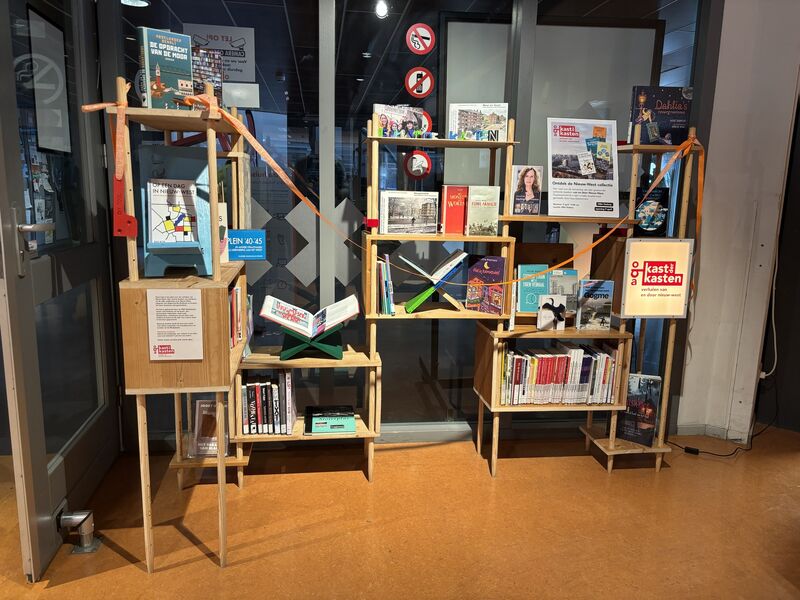
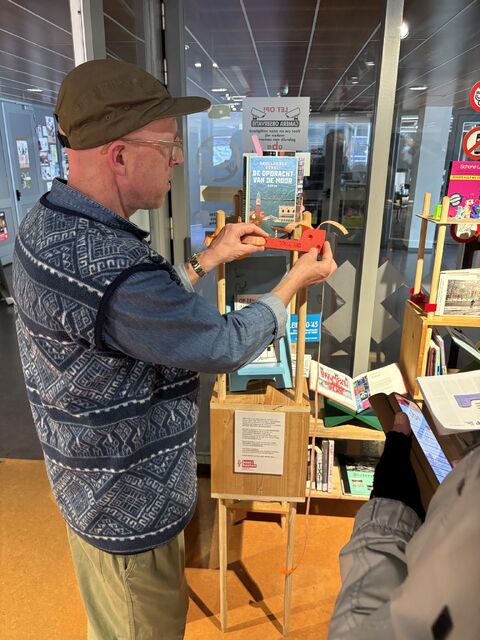
DIY RMC tool to borrow at the library
A simple DIY RMC tool was developed for the OBA Maakplaats. With the tool and the handbook, a cabinet can be built from natural, biobased and local residual streams.
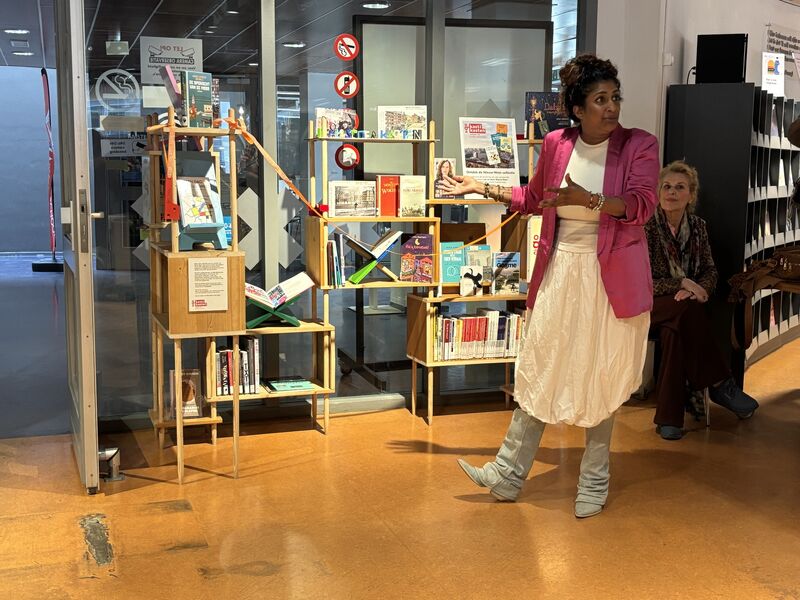
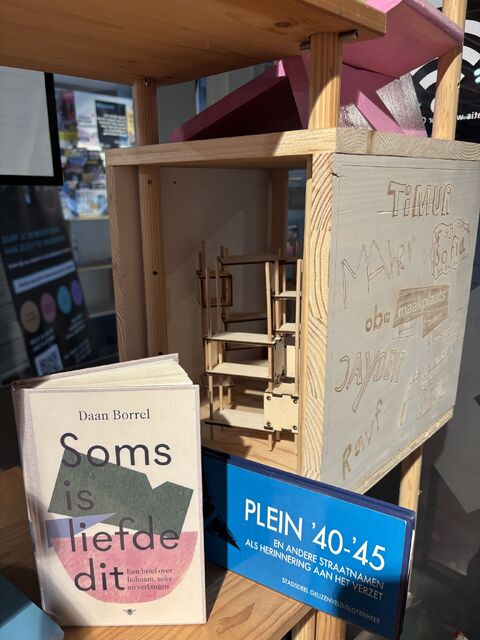
Twelve children from Amsterdam Nieuw-West built a bookcase full of inspiration for the neighbourhood according to the RMC concept. The name Kast der Kasten was devised by the children themselves and chosen democratically.
- Accessible: simple tools and a handbook make furniture building low-threshold.
- Circular: local residual materials gain a high-value application.
- Regenerative: design principles encourage furniture that lasts, is repairable and can be used across several generations.
A call to action: tag the local library when a DIY RMC tool should become available in the neighbourhood too.
Materials
Biobased materials
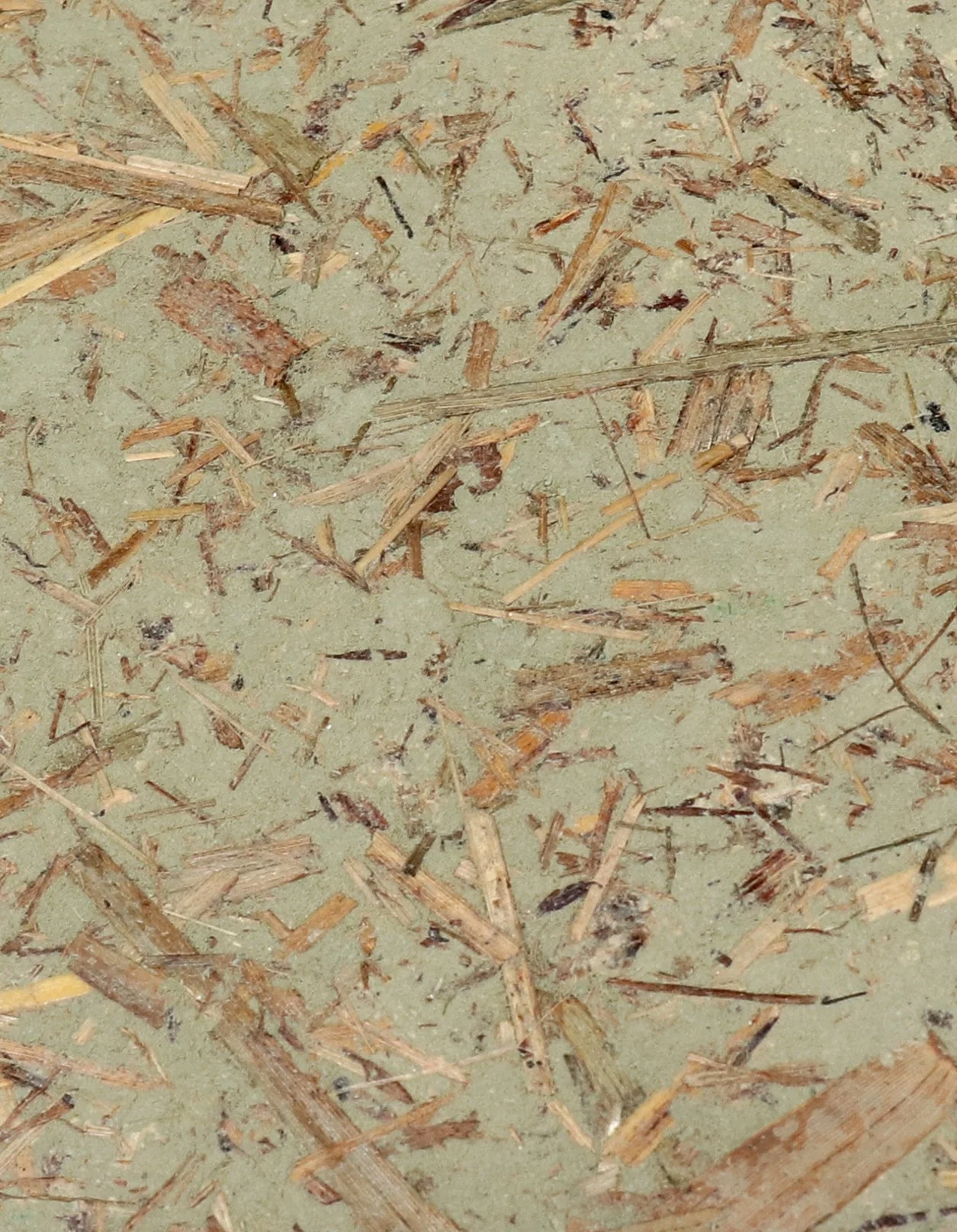
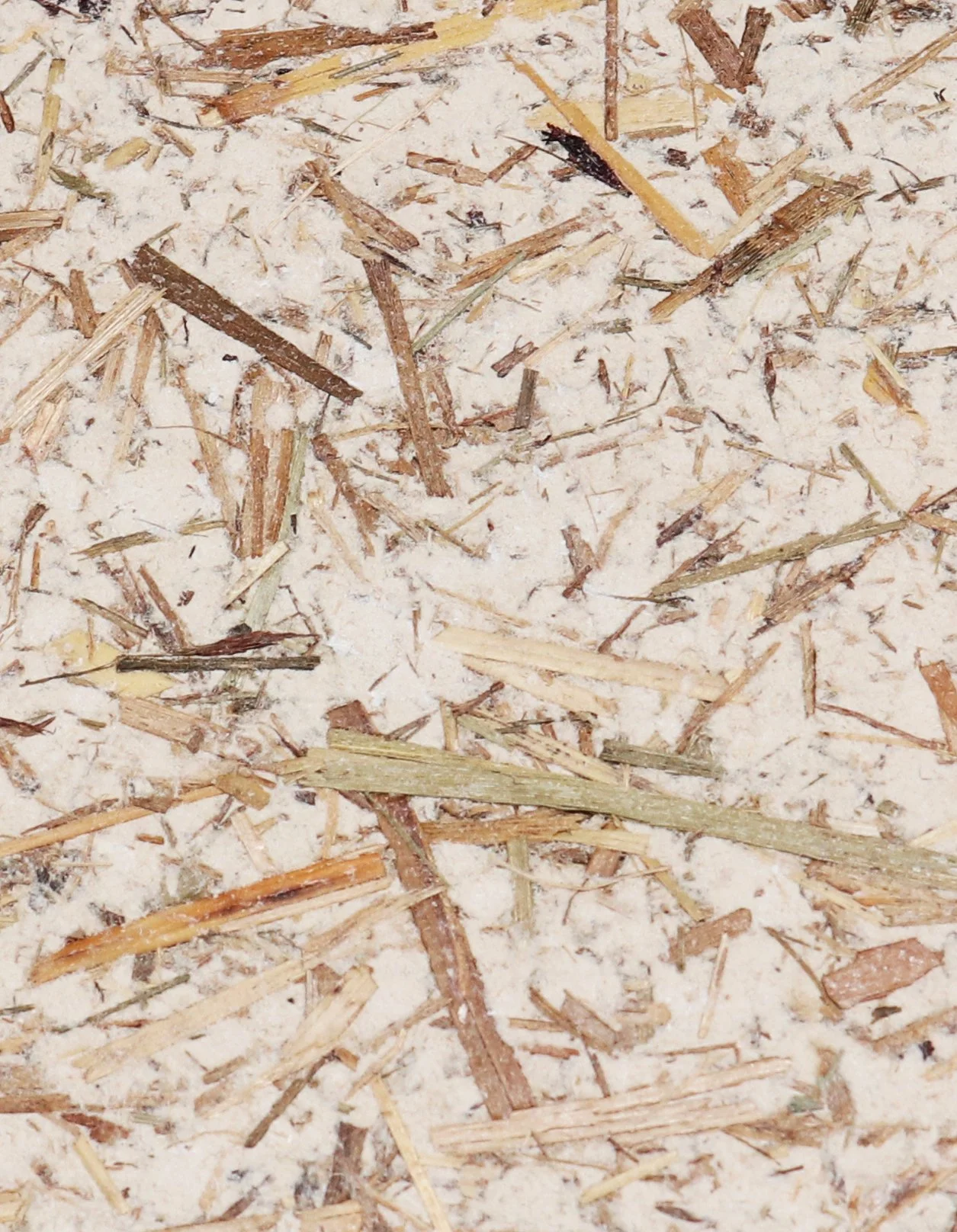
The panels are available in several biobased materials. The frames are made of Finnish FSC wood. The covers are made from reed and cuttings from Dutch nature areas, in Bleiswijk and Loosdrecht. This prevents these natural fibres from being burned. Each cover is double-sided and unique.




| Material | Role in the design |
|---|---|
| Finnish FSC wood | Load-bearing frames with a long technical lifespan. |
| SeaWood | Biobased panel material in green and blue variants. |
| City_Wood | Panel material with a direct relationship to urban material streams. |
| Paulownia | Light wood for modular furniture applications. |
| Ecor | Board material based on paper and fibres. |
| Reed and cuttings | Dutch natural fibres for unique, double-sided covers. |
Design principles
The regenerative manifesto
The RMC is designed from the New Economy logic and the seven-point manifesto of Biobased Design: social, ecological and economic value reinforce one another, along eight regenerative lenses.
Social value
Products offer a solution to human needs, form part of an education programme and create fair work and income.
Ecological value
Preserving healthy materials, restoring through 100% biobased and biodegradable resources, and regeneration that benefits soil, water and biodiversity.
Economic value
Not for profit but for impact, with 4good-prices and the ambition of a steward-owned cooperative.
Attractive and connecting
Products that outlive their first user, are broadly attractive and adaptable, and connect people with one another and with nature.
Avoiding conflict
No conflict or critical materials, and no resources better used for food or medical applications.
Jevons paradox
The design does not encourage unnecessary consumption, but makes users aware of daily choices and prevents rebound effects.
Local
Short, local chains per bioregion, with collaboration between farmers, designers, producers and users.
Equity
Accessible to everyone through DIY building kits and price ranges that suit different groups.
See also: What is regenerative design?, What is biobased building and design? and the full Biobased Design manifesto.
Showcase
From Dutch Design Week to the library
The development of Biobased Design moves from design introduction to public use: from launch and Dutch Design Week to a borrowable DIY tool in the library.
Launch of Biobased Design
New Economy and studio Brian Kersbergen introduced the Biobased Design platform with its first project, the Regenerative Modular Cabinet.
Live from Dutch Design Week
The Klokgebouw in Eindhoven provided the setting for introducing the RMC concept, biobased materials and the design philosophy.
Kast der Kasten
At OBA Osdorp the RMC concept took public shape: children built a bookcase from local residual materials for the neighbourhood.
Makers
Brian Kersbergen and Pepijn Duijvestein
Biobased Design is developed jointly by Brian Kersbergen and Pepijn Duijvestein. The collaboration combines design, makeability, material choice, regenerative strategy and public accessibility.
Brian Kersbergen
Role: furniture design, visual language, technical makeability and the translation into a modular cabinet system. Studio Brian Kersbergen.
Pepijn Duijvestein
Role: regenerative strategy, material principles, impact research and societal application through New Economy.
FAQ
Frequently asked questions
What is Biobased Design?
Biobased Design is a joint design practice by Brian Kersbergen and Pepijn Duijvestein focused on biobased furniture, open design principles and circular makeability.
What is the Regenerative Modular Cabinet?
The Regenerative Modular Cabinet is a modular cabinet system of frames, shelves, boxes and covers. The system can be freely composed, expanded, adapted and repaired.
Which materials are used?
The frames are made of Finnish FSC wood. The panels are available in SeaWood, City_Wood, Paulownia and Ecor. The covers are made from reed and cuttings from Dutch nature areas.
Is Biobased Design open-source?
Yes. The design is set up on open-source principles, with do-it-yourself building kits, a handbook and a simple tool for broader accessibility.
What role do libraries play?
Libraries and makerspaces can make the DIY RMC tool available to borrow. This makes furniture building accessible to children, local residents, makers and communities.
Live site
Visit biobaseddesign.com
The full collection, materials and web shop are on the Biobased Design website. Below is a preview, with a direct link through to the live site.
Build regenerative design together
From base frame to public bookcase, the Regenerative Modular Cabinet makes biobased material, open design and local maker culture concrete.