
Van idee naar experiment
Om de klimaat- en energiedoelen te halen is een flinke renovatieopgave nodig. Tegelijkertijd staan kritieke grondstoffen onder druk, en vraagt de circulaire economie om minder materiaalgebruik en hogere treden op de R‑ladder. New Economy heeft daarom een marktverkenning uitgevoerd naar low‑tech renovatieoplossingen. Daarbij is gekeken naar slimme ontwerpkeuzes, levensduurverlenging en andere systeemkeuzes op gebouw‑ en gebiedsniveau.
Inmiddels zijn de kansenkaarten ontwikkelt! Zie info www.neweconomy.eco/projecten/besparing-waardebehoud
Uit deze verkenning kwamen zeven bouwstenen naar voren: gebouwschil‑eerst, right‑sizing, koelvraag voorkomen, natuurlijke ventilatie/low‑tech, collectief organiseren, businesscase op levenscyclusbasis en het doorbreken van systeembarrières. Deze vormen het fundament voor drie experimenten waarin Refuse en Rethink als ontwerpprincipe worden toegepast.
Webinar: van verkenning naar experiment
Op dinsdag 17 maart 2026 organiseert New Economy drie webinars waarin we de inzichten uit de verkenning delen en de volgende stap presenteren: pilots, ontwerptrajecten en ketensamenwerking. Tijdens de sessies laten we zien hoe Refuse en Rethink in renovatie kunnen worden toegepast en hoe organisaties kunnen aansluiten.
Experiment 1 – Refuse in meerjarenonderhoudsplannen (MJOP)
Veel MJOP’s gaan uit van vaste vervangingscycli, waardoor installaties en onderdelen vroegtijdig worden vervangen. Dit experiment onderzoekt hoe VvE’s en vastgoedbeheerders Refuse-principes kunnen integreren:
We selecteren pilotlocaties, analyseren MJOP’s, ontwerpen scenario’s met minder materiaalgebruik en ontwikkelen ‘delen & minder’-pilots. Het succes meten we in materiaalimpact (kg en Whole Life Carbon), comfort, kosten en bewonersacceptatie.
Experiment 2 – Refuse als ontwerpvraagstuk
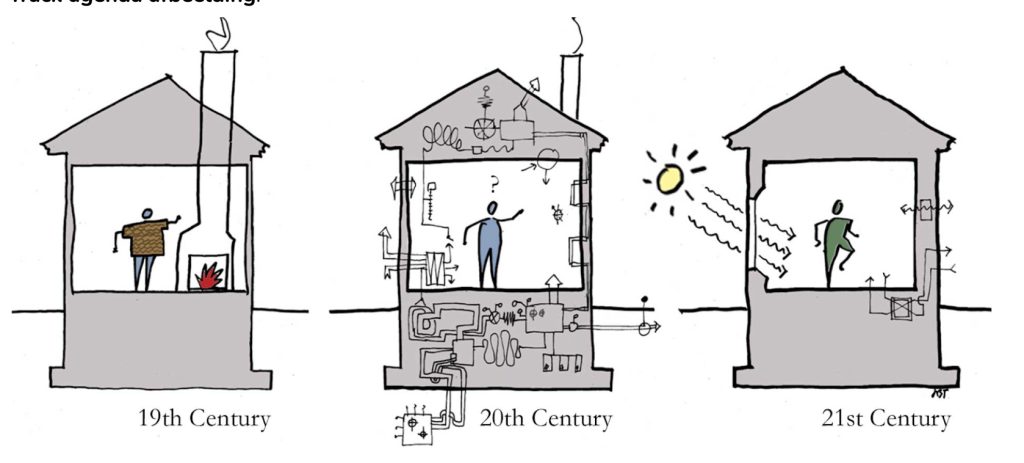
In dit experiment krijgen kunstenaars, ontwerpers, MKB’ers en studenten een ontwerpopdracht: schrap, combineer, collectiviseer en herdefinieer – optimaliseren mag niet. Doel is om met minder kritieke materialen méér comfort te creëren. Denk aan modulariseerbare zonwering, natuurlijke ventilatie, thermische massa of biobased oplossingen. De meest radicale concepten worden uitgewerkt tot pilots; gemeenten kunnen optreden als launching customer.
Experiment 3 – CIRCO‑keten‑track
Samen met ketenpartners ontwikkelen we een CIRCO‑keten‑track waarin deelnemers werken aan proposities rond:
Tijdens een tweedaags traject verspreid over enkele maanden leren deelnemers interventies ontwerpen, hun impact onderbouwen (WLCA, TCO) en vertalen naar haalbare businessmodellen en pilots. De output wordt vastgelegd in een Refuse‑playbook.
Waarom Refuse?
Refuse betekent niet stilstand, maar keuzes maken die leiden tot minder afhankelijkheid van kritieke materialen, minder materiaalgebruik en meer systeemweerbaarheid in de gebouwde omgeving. Door renovatie op deze manier te benaderen, ontwikkelen we oplossingen die beter passen in een circulaire economie.
Doe mee!
Wil je meedenken, meedoen of een pilotlocatie aanbieden? Meld je dan aan voor een van de webinars op 17 maart 2026 (sessies om 9:00, 14:00 en 15:00 uur). Samen pionieren we naar een gebouwde omgeving die met minder materialen meer comfort biedt.
Inmiddels zijn de kansenkaarten ontwikkelt! Zie info www.neweconomy.eco/projecten/besparing-waardebehoud